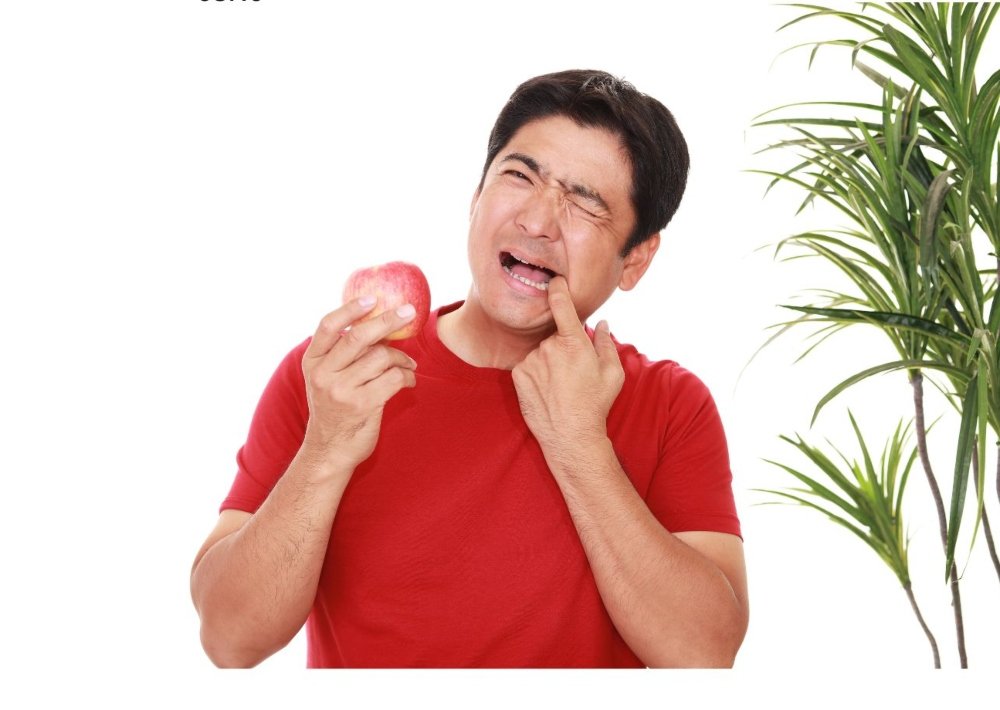
Teeth can hurt for many reasons, but sensitivity is often caused by enamel wear, gum recession, teeth grinding, acidic foods, decay, or a cracked tooth. If sensitivity lasts more than two weeks, affects one tooth more than others, or is getting worse, it is best to see a dentist so the cause can be properly diagnosed.
Tooth sensitivity can develop suddenly or gradually, often triggered by cold drinks or sweet foods. It’s usually a sign that something needs attention. This post explores the most common causes, what may be behind the discomfort, and when to seek professional advice.
Last Tuesday morning, one of my patients sat down in the chair and said something I hear surprisingly often:
“I thought it would just go away.”
For weeks, she’d been avoiding cold drinks on one side of her mouth. Hot tea had started to sting. Brushing her teeth felt uncomfortable. Because the pain wasn’t constant, she assumed it wasn’t serious.
It’s usually at this stage that people start asking the same question: why do my teeth hurt?
And the truth is, tooth sensitivity rarely appears without a reason. It’s often an early sign that something in the mouth needs attention.
So, what’s actually going on?
Why Do Teeth Become Sensitive?
Beneath the enamel is dentine, a softer layer connected to the nerve inside the tooth. When enamel wears down, or gums recede, those pathways become exposed.
That’s when everyday things can start to feel uncomfortable: cold drinks, hot drinks, sweet foods, or even brushing your teeth.
In most cases, there’s a clear underlying cause, and it usually comes down to a few common factors:
Brushing Too Hard
People often brush too firmly without realising it, thinking it will give a deeper clean. Over time, this can wear down enamel and irritate the gum line.
If your toothbrush bristles splay quickly or your gums look more exposed than before, this could be a factor.
Switching to a softer brush and using gentler pressure can make a noticeable difference.
Teeth Grinding
Another common cause is teeth grinding, often known as bruxism; it typically occurs during sleep without the person’s knowledge.
Habitual grinding will gradually wear the teeth down. The more teeth wear down, the more sensitivity increases over time.
Common signs include waking with jaw tightness, morning headaches, or teeth that feel slightly sore in the morning.
A custom night guard can often help protect the teeth.
Acidic Foods and Drinks
Diet can also play a big role.
Acidic drinks like fruit juices and cola can slowly erode enamel. Because this happens gradually, most people don’t notice until sensitivity develops.
Reducing frequency and rinsing with water afterwards can help protect enamel. Regular dental hygiene appointments at our Essex clinic can also help keep plaque and early enamel wear under control.
Gum Recession
Another factor that exposes sensitive areas of the tooth is gum recession.
As gums recede, the root surfaces of the teeth become exposed. Unlike the crown of the tooth, exposed root surfaces are not protected by enamel, which makes them more sensitive to temperature and touch.
If teeth appear longer than before or sensitivity is focused near the gumline, this may be the cause.
Tooth Decay Or Damage
Sometimes sensitivity can point to something more specific, such as a cavity, a cracked tooth, or a failing filling. In these cases, the discomfort tends to worsen rather than gradually improve.
That’s why persistent sensitivity is always worth getting checked by a dentist, especially if you’re unsure what’s causing it.
At this point, many people naturally start to wonder whether the issue will settle down or needs professional attention. And that usually leads to an important question: when should you see a dentist?
When should you see a dentist about sensitive teeth?
If sensitivity is mild and occasional, it may improve with small changes. But if it continues or affects daily life, it’s worth getting it checked.
You should book an appointment if:
- Sensitivity lasts more than two weeks
- It is getting worse
- One tooth feels more affected than others
- You notice bleeding or swelling in the gums
- There is pain when biting
Early assessment usually means simpler treatment and better long-term outcomes. Booking a routine dental check-up can help identify the cause of sensitivity before it worsens.
Treating Tooth Sensitivity at Billericay Dental Care
The good news is that, in most cases, sensitivity can be improved significantly once we understand the cause.
Effective treatments range from desensitising toothpaste to protective night guards, following standard NHS Toothache Care Guidelines to safely manage pain at home while awaiting a formal diagnosis.
The aim is always the same – to reduce discomfort and prevent it from returning.
Helping Our Patients Feel Comfortable Again
Tooth sensitivity is often the reason people start asking why do my teeth hurt, especially when everyday things like eating, drinking, or brushing start to feel uncomfortable.
But in most cases, it can be treated effectively once the cause is identified.
At Billericay Dental Care, we help patients from Billericay, Brentwood, and the surrounding towns of Essex identify the cause of their sensitivity and find the right treatment to keep it under control.
If your teeth have started to feel more sensitive than usual, booking an appointment early can help prevent small issues from becoming bigger problems. We’ll take a close look, explain what’s going on, and help you get comfortable again. Call or WhatsApp 01277 625 456 or visit our ‘Contact Us’ page to reserve an appointment.
FAQs
Why do my teeth hurt when I drink something cold?
This is usually caused by exposed dentine, where the protective enamel has worn down, or gums have receded. Cold temperatures trigger the nerve inside the tooth, causing a sharp, short pain.
Is tooth sensitivity a sign of something serious?
Not always, but it can be. Mild sensitivity is often linked to enamel wear or brushing habits, but persistent or worsening pain may indicate decay, a cracked tooth, or gum disease.
Can I fix sensitive teeth at home?
Some cases improve with desensitising toothpaste, gentler brushing, and reducing acidic foods. However, if symptoms persist for more than a couple of weeks, it’s best to see a dentist for a proper diagnosis.